Waking with a tight jaw, a dull headache behind the eyes, or teeth that suddenly feel more sensitive is rarely just a bad night’s sleep. For many patients, these are signs of persistent clenching or grinding – and interest in botox for jaw clenching has grown because people want relief that feels effective, discreet and convenient.
Jaw clenching can be surprisingly hard to spot in yourself. Some people only notice when a partner hears grinding at night. Others come in because a dentist has found wear on the teeth, fractures in fillings, or tenderness around the jaw joint. It can also show up as facial tension, enlarged jaw muscles, or a square jawline that has developed gradually over time.
Why jaw clenching needs proper assessment
Clenching is often grouped together with bruxism, but the causes are not always identical. Stress is a common factor, yet bite imbalance, sleep issues, TMJ dysfunction and certain lifestyle habits can all play a part. That matters because treatment should not be one-size-fits-all.
A careful assessment helps identify what is really driving the problem. If someone is clenching mostly at night and already has tooth wear, protecting the teeth may be just as important as relaxing the muscles. If jaw pain is linked to the joint itself, the plan may need to address more than muscle activity alone. Botox can be very helpful, but it works best when it sits inside a sensible, personalised treatment approach.
How botox for jaw clenching work
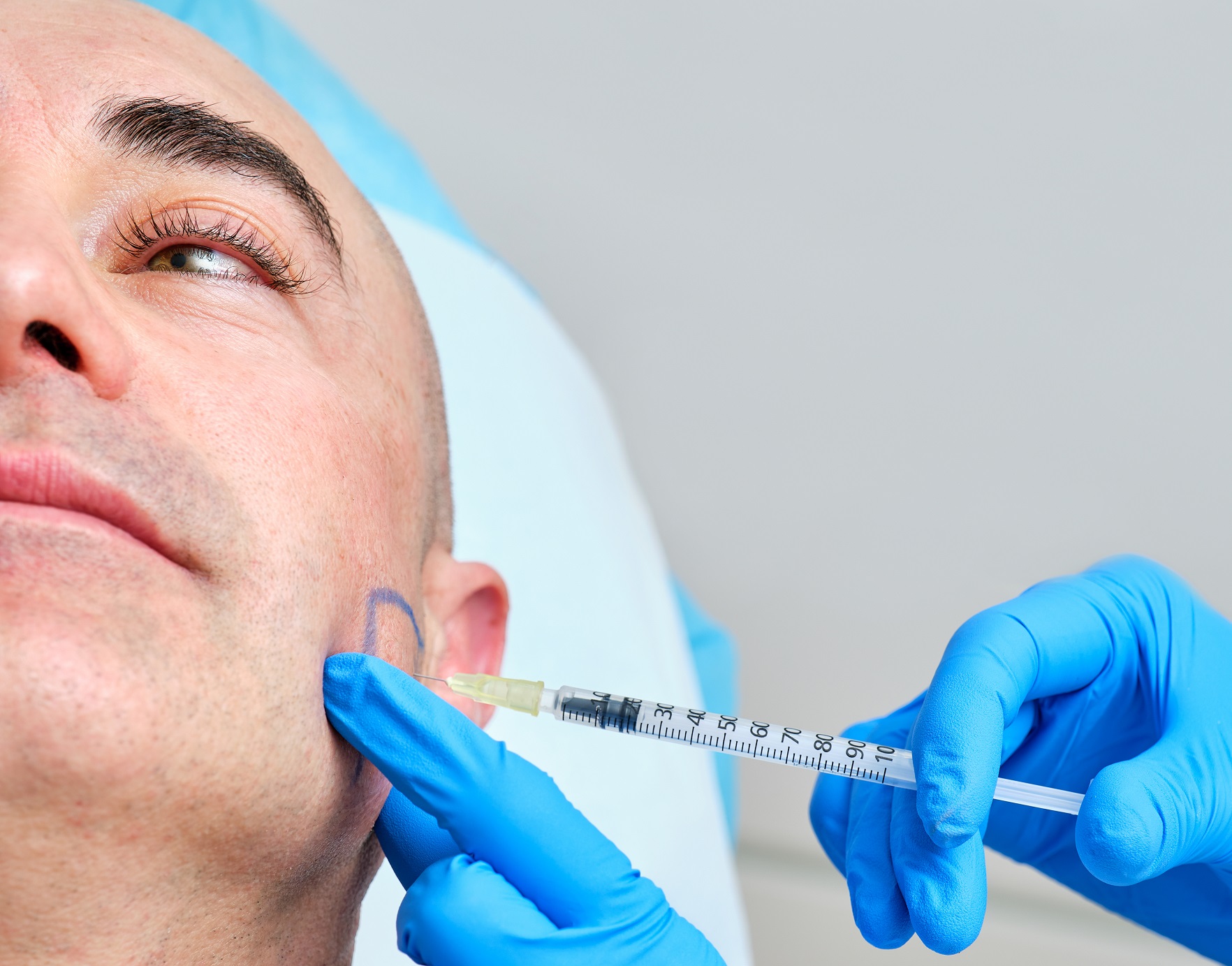
Botox is used to relax overactive jaw muscles, most often the masseter muscles at the angle of the jaw. These are the powerful muscles involved in chewing and clenching. When they are working too hard, day after day or night after night, they can create pain, tension, headaches and pressure on the teeth.
By placing small, carefully measured injections into the affected muscles, the treatment reduces the force of contraction. The muscle can still function, but it does not grip with the same intensity. For many patients, that means less tension, fewer pain flare-ups and a noticeable reduction in clenching-related symptoms.
Results are not instant. Most people begin to notice a change over several days, with fuller effect typically appearing within two weeks. The benefit then tends to last for a few months before repeat treatment is needed.
This is one reason patients often like botox for jaw clenching – it is quick, minimally invasive and does not involve downtime in the way surgery or more intensive interventions would. That said, it is not a permanent fix, and it does not remove the underlying habit entirely.
Who it may suit
This treatment can suit adults who have clear symptoms linked to overactive jaw muscles, especially when they experience jaw ache, tension headaches, muscle bulk at the jaw angle, or visible signs of grinding. It may also appeal to people who have tried conservative measures but still feel sore or tight.
For some patients, there is also an aesthetic benefit. If the masseter muscles are enlarged from heavy clenching, relaxing them can soften a wide lower-face shape over time. That should never be the only consideration in a medical assessment, but it is often a welcome secondary outcome.
It may be less suitable if symptoms are coming mainly from the jaw joint rather than the muscles, if there are untreated dental problems causing pain, or if the diagnosis is uncertain. Pregnancy, certain neuromuscular conditions and some medications may also affect suitability. This is why a proper consultation matters.
What treatment can and cannot do
The biggest advantage of botox is that it reduces muscle force. For the right patient, that can mean fewer headaches, less morning tightness, reduced jaw soreness and less pressure on worn or vulnerable teeth.
What it cannot do is repair damage that is already there. If clenching has chipped teeth, cracked restorations or contributed to gum recession, those issues may still need dental treatment. It also does not replace a night guard in every case. Some patients benefit from both, because the injections calm the muscle while the appliance physically protects the teeth.
There is a trade-off here. Botox can feel like fast relief, but long-term success often depends on looking at the whole picture – stress, sleep, muscle habits, bite forces and tooth protection. The best results usually come from combining approaches rather than relying on a single solution.
What to expect at your appointment
A good appointment should feel calm, clear and unhurried. You should be asked about symptoms, when they occur, whether you grind in sleep, and whether you have headaches, joint noises, restricted opening, or dental damage. The clinician should examine the jaw muscles and joints and discuss whether the pattern sounds muscular, joint-related, or mixed.
If treatment is appropriate, the injections themselves are usually very quick. Most patients describe them as tolerable, with only brief discomfort. There is no down time and patients can normally return to their day afterwards.
You may be advised to avoid rubbing the area and to follow a few simple aftercare instructions. Review is important because dose and muscle response vary between individuals. A strong clencher with bulky masseters may need a different plan from someone with milder tension.
Risks and side effects
When carried out by an experienced clinician, botox is generally well tolerated, but it is still a medical treatment and should be approached properly. Temporary tenderness, minor bruising and a feeling of muscle fatigue can occur. Some patients notice chewing feels slightly different at first, especially with tougher foods.
Less commonly, if product placement or dosing is not well judged, there may be asymmetry, a smile that feels altered, or too much weakening of the muscle. This is why anatomical knowledge and conservative dosing matter so much.
Patients are sometimes tempted by convenience offers or beauty-led settings that do not assess the dental and jaw side of the problem in enough detail. With jaw clenching, precision matters more than speed.
Botox, mouthguards and other treatments
The question is not usually botox or a mouthguard. It is which combination is most appropriate. A custom-made night guard can help protect teeth from wear and reduce strain on dental work. It does not stop the muscles from trying to clench, but it can limit damage.
Botox works the other way round – it reduces the power of the muscle but does not cover the teeth. Physiotherapy, jaw exercises, stress management and changes to caffeine or gum-chewing habits can also help some people. If symptoms point to TMJ disorder, treatment may need a more joint-focused plan.
This is why a dental setting is often particularly useful for assessing clenching. The condition does not only affect comfort. It can affect the teeth, restorations, bite and long-term oral health as well.
Cost in London and what affects it
Cost varies across London, and lower prices do not always mean better value. The final fee can depend on how many units are needed, whether one or both masseter muscles are treated, the complexity of symptoms, and the experience of the clinician.
The more useful question is what is included in the process. A proper assessment, safe prescribing, clear aftercare and review all matter. If someone has significant grinding damage, there may also be additional costs for a night guard or restorative dental treatment.
For patients balancing comfort, quality and convenience, choosing a clinic that understands both facial aesthetics and dental function can make the process more straightforward. At Thurloe Street Dental South Kensington, that joined-up view is part of what patients value.
When to seek help sooner
Do not assume every sore jaw is simple clenching. If you have sudden bite changes, locking of the jaw, significant limitation in opening, swelling, tooth pain, ear symptoms, or persistent pain on one side, it is worth arranging an assessment promptly. Those symptoms can overlap with other dental or TMJ conditions and should not be self-diagnosed.
Equally, if you know you are stressed and clenching more but have started noticing cracked teeth or repeated breakages, it makes sense to act early. Preventing further damage is usually easier, more comfortable and less costly than repairing advanced wear later on.
For many London patients, the attraction of this treatment is simple – it offers a practical way to reduce force in overworked jaw muscles without disrupting daily life. The key is choosing treatment for the right reason, in the right setting, with a plan that protects both your comfort and your teeth.