Exploring Botox as a Bruxism Solution
Bruxism is a common condition that affects many people worldwide. It involves involuntary teeth grinding or jaw clenching, often during sleep. This article discussed the use of Botox for bruxism relief.
Teeth grinding and jaw clenching can lead to various issues, including jaw pain, headaches, and damaged teeth. Traditional treatments include mouthguards and stress management techniques.
However, these solutions may not work for everyone. Botox has emerged as a promising alternative for managing bruxism symptoms.
Botox is a neurotoxin that relaxes the muscles responsible for grinding. This can provide relief from the discomfort associated with bruxism.
The procedure is minimally invasive and quick, usually taking about 30-40 minutes. Patients often experience reduced jaw pain and fewer headaches.
The effects of Botox typically last between 3 to 6 months. Repeat treatments are necessary for sustained relief.
While Botox is not a cure, it is an effective management tool. Consulting with a healthcare provider is essential to determine if Botox is suitable for you.
Understanding Bruxism: Causes and Symptoms
Bruxism is a prevalent dental disorder. It involves repeated clenching or grinding of the teeth, often unconsciously. This condition can be divided into two types: sleep bruxism and awake bruxism.
Several factors contribute to bruxism. Stress and anxiety are major contributors, causing muscle tension. Other possible triggers include misaligned teeth or an abnormal bite.
Sleep disorders like sleep apnoea can also lead to bruxism. Additionally, lifestyle factors such as alcohol consumption and caffeine intake play a role.
Recognising the symptoms of bruxism is crucial for early intervention. Common signs include persistent headaches, jaw pain, and facial muscle tenderness.
People with bruxism often experience worn tooth enamel.
This wear can lead to increased tooth sensitivity and damage. Chipped or flattened teeth are also common indicators.
Here are some symptoms to be aware of:
- Sore jaw muscles
- Headaches, especially in the morning
- Increased tooth sensitivity
Diagnosis often involves a dental examination and discussing symptoms with a dentist. In some cases, a sleep study might be recommended to monitor night-time teeth grinding.
If you notice symptoms, it’s vital to consult a dental professional. Early detection and treatment can prevent further dental damage and discomfort.
Traditional Teeth Grinding Solutions: Pros and Cons
Dealing with bruxism effectively often begins with exploring traditional treatments. Mouthguards are a commonly prescribed solution. Custom-fitted by dentists, they help protect teeth from grinding damage.
Stress reduction is another essential approach. Techniques such as meditation, yoga, or counselling can lower anxiety levels. These methods can reduce the frequency of bruxism episodes.
Adjusting habits is also beneficial. Limiting caffeine and alcohol, especially in the evening, may decrease jaw clenching. Such lifestyle changes can prevent triggering bruxism at night.
Medications like muscle relaxants are sometimes used. They may ease jaw tension and provide temporary relief. However, potential side effects necessitate a cautious approach.
Each traditional method has advantages and drawbacks to consider:
- Splints and Mouthguards
- Pros: Protect teeth, customisable
- Cons: Impractical to wear during the day
- Stress reduction
- Pros: Non-invasive, improves overall health
- Cons: Requires regular practice, results vary
- Lifestyle changes
- Pros: Long-term benefits, easy to implement
- Cons: Effort and consistency needed
Traditional solutions often require commitment and time for effective results. They might not provide immediate relief for severe bruxism. Exploring all options with a healthcare provider ensures the best approach.
What Is Botox and How Does It Work?
Botox is widely known for its cosmetic use, but it has medical applications too. Derived from the botulinum toxin, it temporarily paralyses muscles, reducing their activity.
This effect is beneficial in treating various conditions, including bruxism.
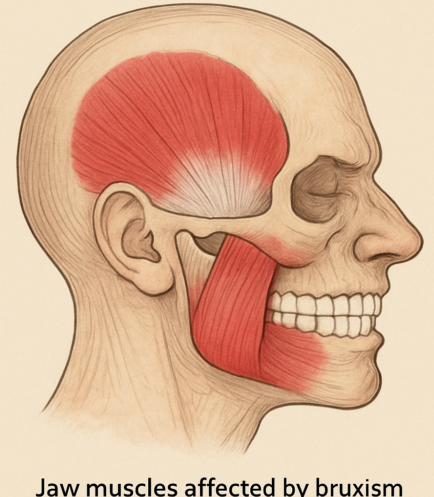
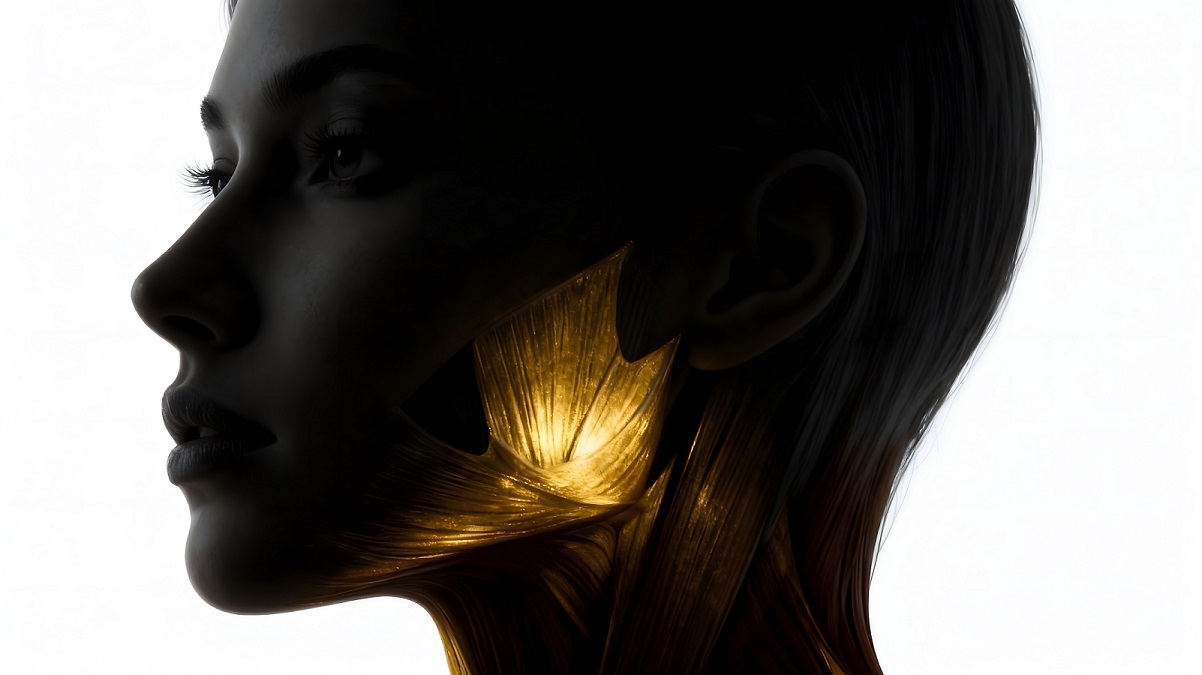
In the context of bruxism, Botox works by targeting the masseter and temporalis muscles. These muscles are responsible for jaw movement and are often overactive in individuals with bruxism. By relaxing these muscles, Botox helps decrease grinding and clenching.
The procedure involves injecting small amounts of Botox into specific areas. This process is quick, usually taking 10 to 30 minutes. Patients can often resume normal activities immediately after the treatment.
The benefits of Botox extend beyond reducing teeth grinding. It also alleviates associated jaw pain and headaches, improving overall quality of life. While effective, it’s important to note that Botox is a management tool rather than a cure.
Key points:
- Temporarily weakens muscles that contribute to bruxism
- Targets masseter and temporalis muscles
- Quick and minimally invasive procedure
Understanding how Botox functions can help in making informed decisions. It’s crucial for patients to discuss their symptoms with a healthcare provider. This dialogue ensures that Botox is suitable and addresses specific bruxism concerns.
Botox Treatment for Bruxism: The Procedure Explained
Botox treatment for bruxism is gaining popularity due to its efficiency and simplicity. The procedure begins with a consultation to assess the severity of bruxism and if Botox suits the patient’s needs. This initial step ensures that the treatment plan is tailored.
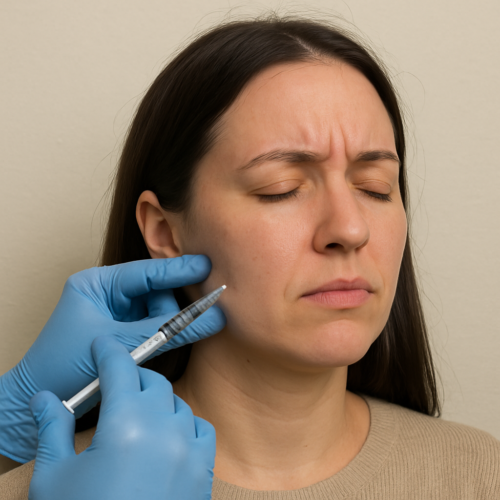
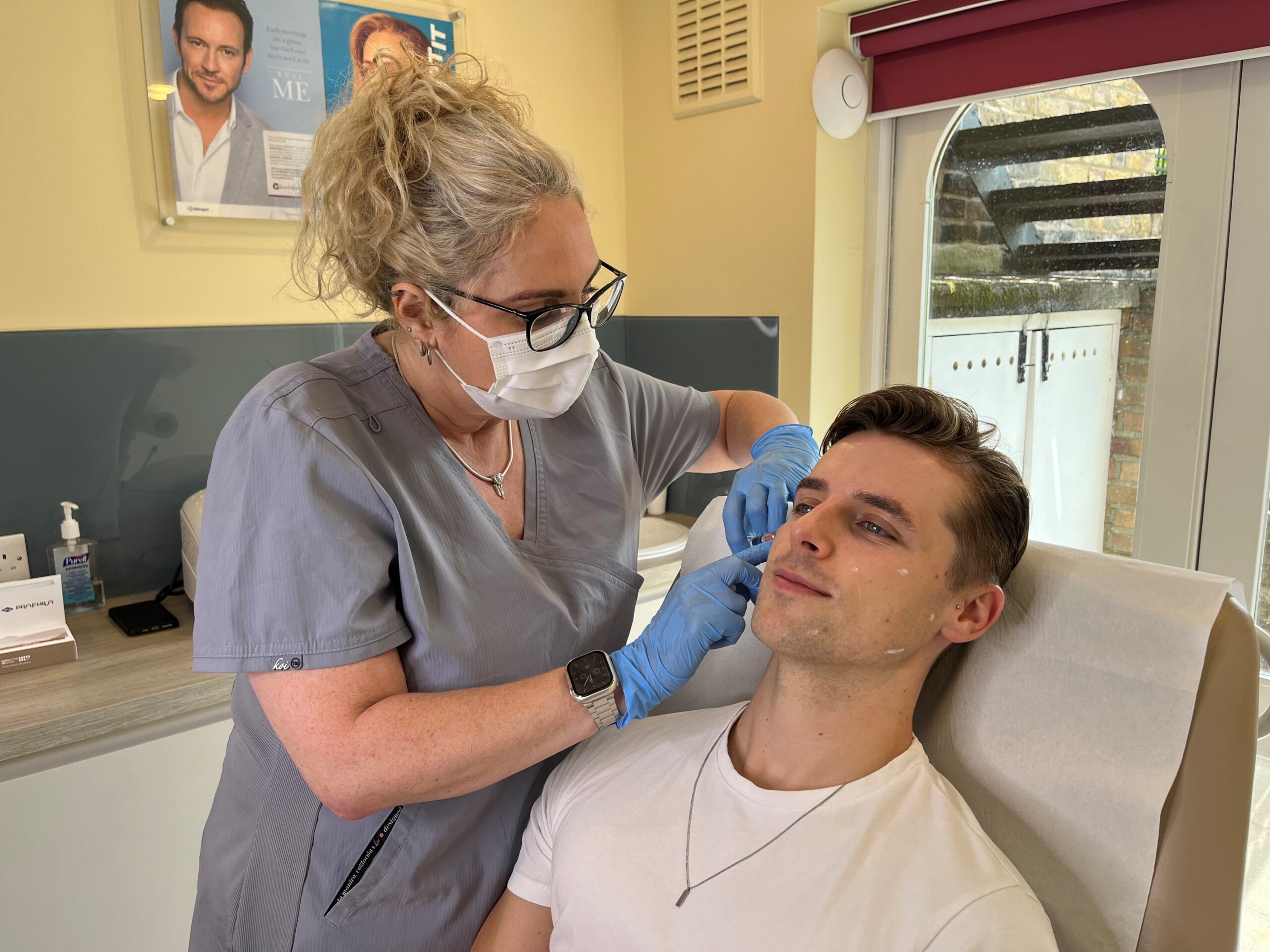
During the procedure, a healthcare professional cleans the targeted area to prevent infection. They then mark specific points on the masseter and temporalis muscles.
These are key areas where muscle activity is contributing to teeth grinding.
Once marked, small amounts of Botox are injected into these muscles. The injections are administered using a fine needle, minimising discomfort for the patient. Many patients describe the sensation as a minor pinch.
The entire session usually lasts around 45 minutes. This quick procedure allows patients to return to their daily activities almost immediately. There’s no significant downtime associated with Botox treatment for bruxism.
Patients might experience minor swelling or redness at the injection sites. These side effects are typically mild and resolve within a few days. It’s important to follow post-procedure care instructions for optimal outcomes.
- Procedure Steps:
- Consultation and assessment
- Cleaning and marking injection sites
- Administering Botox injections
- Post-procedure care including review appointment (within 2 – 4 weeks of administering Botox)
It’s crucial for patients to attend follow-up appointments. These visits allow healthcare providers to monitor progress and adjust treatment as needed. Consistent follow-ups ensure that patients receive the best possible care and outcomes.
By understanding the procedure, patients can approach treatment with confidence. Knowledge empowers individuals to make informed decisions about managing their bruxism.
Effectiveness of Botox for TMJ, Jaw Pain, and Teeth Grinding
Botox has emerged as a promising treatment for those suffering from TMJ disorders and bruxism. It targets the root causes of jaw pain and teeth grinding. The neurotoxin works by relaxing overactive muscles that contribute to these issues.
Patients often report a noticeable reduction in jaw pain shortly after treatment. The pain relief allows them to engage in daily activities with improved comfort.
This effectiveness extends to reducing headaches caused by muscle tension.
When it comes to teeth grinding, Botox provides relief by decreasing muscle power. This reduction helps prevent tooth damage and wear over time. It’s a non-invasive alternative compared to more traditional methods.
A major advantage of Botox is its ability to improve sleep quality. By reducing involuntary grinding, patients often experience fewer disruptions during the night. This leads to better rest and overall health improvement.
Studies indicate that the effects of Botox last about three to six months. The duration can vary based on individual factors, such as muscle size and activity level. Regular treatments ensure continued relief from symptoms.
Key Benefits:
- Reduction in jaw pain
- Decreased headaches and muscle tension
- Improved sleep quality
- Prevention of teeth damage
Despite these benefits, Botox treatment for bruxism is not a cure. It manages the symptoms, providing relief while other underlying causes are explored. Patients should maintain regular consultations to adjust their treatment plan as needed.
Effectiveness may vary from patient to patient. Thus, discussing potential outcomes with a qualified professional is essential. It ensures that expectations align with treatment possibilities, promoting informed decisions about bruxism management.
Benefits of Botox for Bruxism
Botox treatment for bruxism offers a range of benefits beyond symptom relief. One such benefit is the non-surgical nature of the procedure. This minimises recovery time and reduces the risks associated with more invasive treatments.
The administration of Botox is relatively quick and convenient. Appointments can often be completed within a lunch break. This makes it an accessible solution for those with busy schedules.
Additionally, Botox provides a subtle enhancement to the jawline. By reducing muscle hypertrophy caused by constant grinding, it can lead to a more balanced facial appearance. This aesthetic benefit is especially appealing to some individuals.
Patients experience a notable decrease in dental problems. With less grinding, the risk of cracked teeth and enamel damage diminishes. This preservation of dental health is a key advantage for long-term oral care.
- Primary Benefits:
- Non-invasive procedure
- Quick and convenient appointments
- Dental protection
Botox complements other treatments and lifestyle changes. When combined with stress management or custom mouthguards, it can enhance overall treatment effectiveness. This integrated approach provides comprehensive bruxism management.
Potential Risks and Side Effects of Botox for Jaw Pain
Botox, while popular for treating bruxism, carries some potential risks. It’s crucial to be well-informed about these before proceeding with treatment. Though generally safe, Botox injections can produce side effects.
Some patients report temporary muscle weakness. This might occur at or near the injection sites. Although rare, mild discomfort or bruising can also arise, though typically it fades quickly.
Another concern is the possibility of asymmetrical facial expressions. This can happen if Botox affects unintended muscle areas. Careful administration by experienced professionals minimises these risks.
Allergic reactions, though rare, can pose a problem. Symptoms might include itching, rash, or difficulty breathing. Immediate medical attention is necessary if any of these arise after treatment.
- Potential Side Effects:
- Muscle weakness
- Bruising at the site
- Asymmetrical facial changes
- Rare allergic reactions
Consultation with a qualified healthcare provider is essential. They can assess potential risks and determine if Botox is suitable for you. Always discuss any allergies or previous reactions to Botox or similar injections.
Comparing Botox to Other Bruxism Treatments
Several treatments are available for managing bruxism. Each comes with its own set of advantages and limitations. Comparing these can help you decide the best option.
Therapeutic custom made mouthguards, like the Michigan and Tanner Splints are a popular solution. They provide a barrier between the teeth, preventing grinding. However, they do not address the muscle activity causing bruxism.
Stress management techniques, such as meditation, can reduce bruxism triggers. These methods aim to lower overall tension levels. While beneficial, they often require patience and consistency for noticeable effects.
Dental corrections may help when misaligned teeth are a factor. This approach tackles structural issues. Yet, it may not resolve bruxism caused by stress or other non-dental factors.
Botox treatment uniquely addresses muscle tension. By relaxing the jaw muscles, it directly tackles the problem. This can be particularly effective for those experiencing severe symptoms.
- Bruxism Treatments Compared:
- Mouthguards and Splints
- Stress management
- Dental corrections
- Botox injections
Choosing the right treatment depends on individual needs and circumstances. Consultation with a healthcare professional can guide the decision process. They can tailor recommendations based on personal health history and bruxism severity.
Who Is a Suitable Candidate for Botox Teeth Grinding Treatment?
Botox teeth grinding treatment is not suitable for everyone. Specific criteria can help determine suitability. Potential candidates should understand the treatment’s focus and intended outcomes.
Individuals suffering from moderate to severe bruxism might consider Botox. It is particularly beneficial for those experiencing significant jaw pain or headaches. People who have tried other treatments with limited success may also benefit.
- Factors to Consider:
- Severity of symptoms
- Previous treatment attempts
- Overall health
- Desired outcomes
A thorough evaluation by a healthcare professional is crucial. They can assess whether Botox is a viable option. This assessment includes reviewing medical history and discussing any potential risks or allergies.
Ultimately, a personalised treatment plan is essential. This ensures the approach aligns with individual health needs and lifestyle preferences. Before proceeding, candidates should gather all necessary information to make an informed decision.
What to Expect: Results, Duration, and Follow-Up Care
Botox treatment for bruxism is straightforward. The results often include reduced jaw tension and lessened headaches. However, individual experiences can vary based on multiple factors.
Typically, patients start noticing improvements within a few days. Full effects are usually evident after a couple of weeks. The alleviation of symptoms can last between three to six months.
- Key Aspects to Consider:
- Onset of results: A few days
- Duration of effects: 3-6 months
- Need for repeat treatments
- Personalised follow-up schedules
Follow-up care is vital to maintaining results. Regular appointments allow for monitoring and dosage adjustments as needed.
These sessions are an opportunity to address any emerging concerns or side effects.
Consistency in follow-up visits optimises outcomes. Communication with the healthcare provider ensures that the treatment remains effective over time. Individuals are encouraged to keep a record of any changes in symptoms to discuss during follow-ups.
Cost, Insurance, and Accessibility of Botox for TMJ and Bruxism
The cost of Botox treatment for bruxism varies widely. Factors include geographic location, provider fees, and the number of units used.
Insurance coverage for Botox varies. Some plans may cover it if it’s deemed medically necessary for conditions like TMJ. It’s important to check with your insurance provider before proceeding.
- Factors Influencing Cost:
- Location of the clinic
- Experience of the practitioner
- Number of Botox units required
Botox for jaw clenching and teeth grinding at our clinic in South Kensington, London costs between £345 and £445. It is £345 for up to 50 units. If you need between 51 and 100 units, there is an extra charge of £100. The price varies because stronger muscles and bigger jaws need more product to get the desired results. Consultation is required and costs £105.
Accessibility to Botox treatment may be challenging in some areas. Not all medical or dental practices offer it. However, urban centres usually have more available practitioners. Patients should research providers and ensure they select certified professionals for optimal care. This helps avoid complications and achieve the best results. Therefore, planning and consultation are key to a successful Botox treatment experience.
Frequently Asked Questions About Botox for Bruxism
How effective is Botox for bruxism? Botox is generally effective in reducing the symptoms of bruxism. Patients experience less teeth grinding and reduced jaw pain.
How long does a session take? A typical Botox session for bruxism lasts 10 to 30 minutes. This varies based on the patient’s needs and the areas treated.
- Common FAQs:
- Effectiveness timeline of Botox
- Duration of each session
- Long-term reliance on Botox
- Who is eligible for the treatment?
How often will I need treatments? The effects usually last between 3 to 6 months. After that, additional sessions may be necessary to maintain results.
Is Botox treatment painful? Most patients experience minimal discomfort during the procedure. The use of fine needles ensures an almost painless experience. Temporary mild soreness at the injection site can occur.
Botox treatment for bruxism can be a life-changing solution. Understanding the process and what to expect can ease apprehensions. Always consult with a medical professional to address any specific concerns.
Tips for Maximising Results and Complementary Approaches
Enhancing the effectiveness of Botox for bruxism requires some additional steps.
Patients can adopt healthy lifestyle changes to boost results. Eating a balanced diet, staying hydrated, and regular sleep patterns can make a difference.
Incorporating stress management techniques can also be beneficial. Practices like yoga, meditation, or deep breathing exercises help lower stress levels. This can indirectly reduce bruxism symptoms.
- Useful Complementary Approaches:
- Stress management techniques
- Dietary adjustments
- Regular physical activity
- Adequate sleep hygiene
- Avoiding stimulants
Regular follow-up appointments are crucial. These ensure Botox treatment is yielding the desired results. They also help adjust treatment plans based on individual response.
Consider using a custom mouth guard as well. It protects teeth from wear and tear, especially during sleep. It is often used in tandem with Botox for comprehensive management. Consult with your dentist for the best approach based on your condition.
The Future of Botox in Bruxism Treatment: Research and Innovations
Botox continues to gain traction in medical fields, including bruxism treatment. Ongoing research aims to enhance its efficacy and safety. This exploration fuels optimism for improved outcomes.
Several innovative studies highlight the potential expansion of Botox’s applications. Researchers are investigating longer-lasting formulations. Efforts are also focused on reducing any side effects associated with treatment.
- Key Areas of Innovation:
- Developing longer-lasting Botox formulations
- Reducing potential side effects
- Exploring combined treatment approaches
- Enhancing precision delivery techniques
Advancements in medical technology pave the way for more precise Botox delivery methods. Such improvements could lead to more targeted and effective bruxism treatments. As research progresses, the future looks promising for those seeking relief through Botox.
Conclusion: Is Botox the Right Solution for Your Bruxism?
Deciding if Botox is suitable for your bruxism requires careful consideration. It’s vital to evaluate the severity of your symptoms and your personal health goals. Discussing options with a healthcare provider can offer clarity.
Botox provides a non-surgical approach to alleviating jaw pain and teeth grinding. Its effectiveness varies among individuals, with some experiencing significant relief. Regular treatments may be necessary for sustained benefits.
While Botox holds promise, it is not a cure. It serves as part of a broader management plan for bruxism. For those seeking relief, a consultation with a professional can help determine if Botox is the right path for you.
Our dental clinic in South Kensington offers treatments for Bruxism.
Book a consultation or call us on 020 7584 5551 to speak to our friendly team.