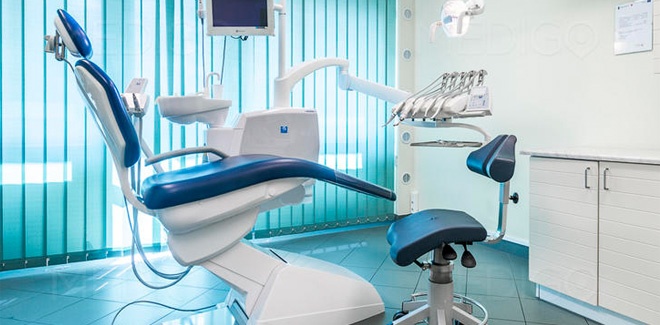
A dental appointment should not feel like something to endure. Whether you are arranging a routine check-up between meetings, considering Invisalign or veneers, or dealing with sudden tooth pain, choosing the best dentist in South Kensington comes down to more than a convenient postcode. You need a practice where clinical skill, clear advice and genuine calm sit together.
For many patients, the right choice is a dentist they can stay with for years: somewhere that protects their oral health, responds when an emergency arises and provides thoughtful cosmetic care when they are ready to make a change.
What makes the best dentist in South Kensington?
The best dental care is rarely about one treatment or one impressive piece of equipment. It is about how well a practice understands your needs before treatment begins, explains the options without pressure and delivers care with consistency.
A good first appointment should feel unhurried. Your dentist should assess not only the immediate concern, but also your teeth, gums, bite and any signs of clenching or grinding. If you have a long-standing worry about your smile, this is the time to discuss it openly. If you simply want to maintain healthy teeth, the advice should be practical and focused on prevention.
Look for a practice that can care for the whole picture. This may include hygiene appointments and gum care, fillings, crowns, root canal treatment and tooth replacement, alongside elective treatments such as whitening, Invisalign and smile makeovers. Having this breadth of care available in one place can make decisions simpler, particularly when a cosmetic concern has an underlying restorative or gum-health element.
Comfort is a clinical priority, not an extra
Dental anxiety is common, even among people who attend regularly. A calm environment, a kind team and a dentist who takes time to explain each stage can change the experience completely. For some patients, simple reassurance and a gentle approach are enough. For others, intravenous sedation may be the most appropriate way to receive treatment comfortably and safely.
When comparing practices, ask how they support nervous patients. Do they offer longer appointments where needed? Will the team explain what you will feel and how they manage discomfort? Is sedation available for suitable patients? The answers matter as much for a routine filling as they do for more involved treatment.
Comfort also includes predictability. Knowing the treatment plan, likely timescale, fees and aftercare arrangements before you begin can make a significant difference to how confident you feel.
Choose care that starts with prevention
The most valuable dentistry often prevents a larger problem from developing. Regular examinations can identify small areas of decay, early gum disease, worn enamel and signs of bite-related stress before they become painful or complex.
Professional hygiene care is particularly important for patients who notice bleeding gums, persistent bad breath, staining or a build-up around the teeth. Gum disease is often quiet in its early stages, but it should not be ignored. The right practice will explain what is happening in clear language, recommend an appropriate hygiene programme and monitor improvement over time.
Prevention is not about being told off for enjoying coffee or missing the occasional floss. It is about receiving realistic guidance that fits your routine. A dentist should help you understand which changes will have the greatest effect, whether that is improving cleaning around a crown, protecting teeth from grinding or scheduling more regular hygiene visits.
Consider experience across cosmetic and restorative dentistry
A brighter, more balanced smile can have a meaningful effect on confidence, but cosmetic dentistry works best when it is built on healthy foundations. Whitening, veneers and orthodontics are not interchangeable choices, and a responsible dentist will discuss the advantages and limitations of each.
For example, professional whitening can lift the natural shade of teeth without changing their shape. It may be an excellent option if your teeth are healthy and you are mainly concerned about discolouration from tea, coffee, red wine or ageing. Systems such as Philips Zoom and Enlighten Whitening can be considered depending on your goals, sensitivity and desired level of whitening.
Veneers can alter shape, proportion and colour, making them suitable for certain chips, uneven edges, small gaps or teeth that do not respond as hoped to whitening. They are a commitment, however, and should never be presented as the automatic answer to every cosmetic concern.
Invisalign clear aligners may be better suited to patients whose main concern is spacing, crowding or bite position. Straightening the teeth first can sometimes reduce the amount of restorative work required later. It takes patience and consistent wear, so it may not be ideal for everyone, but it can be a considered route to a more natural-looking result.
A well-planned smile makeover considers facial proportions, tooth health, gum levels and how your teeth function, not just how they appear in a photograph. At Thurloe Street Dental South Kensington, this approach can also extend to facial aesthetics, allowing patients to discuss smile and face-led confidence outcomes in a coordinated setting.
Do not overlook advanced treatment capability
Even if you only need a check-up today, it is reassuring to know that a practice can support you if your needs change. Teeth can crack, old restorations can fail and infections can occur without much warning. Access to experienced clinicians for endodontics, periodontics, crowns, bridges, extractions and implant treatment means you are less likely to need to start again elsewhere.
For patients with missing teeth, the right solution depends on the number and location of teeth involved, gum and bone health, and how you want the final result to feel. A single implant, implant-retained denture or a full-arch option such as All-on-4 or All-on-6 may be discussed where appropriate. There is no one-size-fits-all answer, and careful planning is essential.
If you wake with jaw tension, headaches or sore teeth, ask whether the practice assesses TMJ concerns and bruxism. Night-time grinding can damage enamel, fracture fillings and shorten the life of crowns. Treatment may involve a protective appliance, bite assessment or, in selected cases, clenching-related Botox as part of a broader plan.
Check how a practice handles emergencies
Dental emergencies rarely arrive at a convenient time. Severe toothache, facial swelling, a broken tooth, a lost crown or trauma should be assessed promptly. When selecting a dentist, it is sensible to understand their emergency pathway before you need it.
A helpful emergency service should make it easy to contact the practice, explain what to do while waiting and prioritise urgent cases appropriately. Fast access matters, but so does careful diagnosis. Pain relief alone may not address an infection, a cracked tooth or a problem beneath an existing restoration.
If you are experiencing swelling, uncontrolled bleeding, a knocked-out adult tooth or difficulty breathing or swallowing, seek urgent professional advice without delay. Dental emergencies are less stressful when you already know where to turn.
Ask clear questions about costs and guarantees
Premium care should still be transparent care. Before starting elective or complex treatment, you should receive a written plan that sets out the recommended treatment, alternatives, fees and anticipated stages. If a dentist advises against a treatment you had expected, that can be a positive sign of clinical integrity.
Finance options can make treatment more manageable, especially for comprehensive restorative work or a smile makeover. The key is to understand the total cost and repayment terms rather than focusing only on the monthly figure. A guarantee on dental work can also provide reassurance, provided you understand what it covers and the importance of attending review and hygiene appointments.
Reviews are useful, particularly when they mention patients feeling heard, comfortable and well informed. They should support your decision rather than replace a consultation. The best indication of fit is whether the team listens carefully and gives you confidence in the plan.
Let your first consultation guide you
You do not need to arrive knowing exactly which treatment you want. Bring your concerns, your priorities and any questions about comfort, timing or budget. A good dentist will help you weigh the trade-offs: whether to monitor or treat now, whether whitening is enough before considering veneers, or whether a phased approach makes better sense than completing everything at once.
The right dental practice should leave you feeling clearer, not overwhelmed. Start with an appointment where you can talk openly about your health, your smile and the experience you want. From there, confident care becomes a much more straightforward decision.