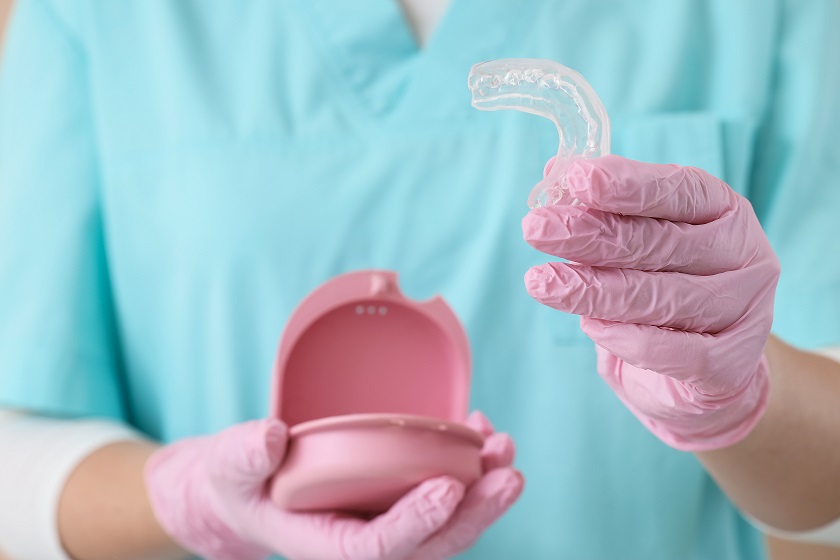
A splint can look deceptively simple: a clear appliance that fits over the teeth. Yet when you are waking with a tight jaw, headaches or worn teeth, the right design and fit can make a meaningful difference. This Tanner splint review explains what to consider before committing to any named splint, and why a proper examination matters more than the label on the appliance.
A well-made dental splint should feel comfortable, protect the teeth and support a stable bite. It should not be a one-size-fits-all answer to every click, ache or episode of clenching.
What is a Tanner splint?
The term “Tanner splint” may be used by a clinician or laboratory to describe a particular splint design or treatment approach. Dental terminology can vary between practices, however, so the most useful question is not simply whether a Tanner splint is good. It is: what has this appliance been designed to do for your teeth, jaw joints and muscles?
Most dental splints are custom-made removable appliances, usually worn over either the upper or lower teeth. Depending on the clinical need, they can protect teeth from grinding forces, help create a more even contact between the teeth, or be used as part of a carefully monitored programme for jaw discomfort.
A dentist should be able to explain the purpose of the chosen splint in plain language. If the aim is tooth protection, the design may differ from one intended to assess whether an altered jaw position reduces symptoms. That distinction matters, particularly if you have ongoing temporomandibular joint, or TMJ, symptoms.
Tanner splint review: what determines whether it works?
The best review of any splint begins with your diagnosis. Bruxism is not one single problem. Some people clench while concentrating during the day; others grind during sleep. Some have no pain but show clear signs of wear. Others experience facial muscle tenderness, headaches, fractured fillings or broken teeth. A splint may be appropriate in each situation, but the goals are not identical.
Before making an appliance, a clinician should assess your teeth, gums, bite, jaw movement and muscles. They may ask about morning headaches, stress, sleep quality, medication, snoring, jaw locking and when symptoms began. They should also check for cracked teeth, decay, gum inflammation and poorly fitting restorations, as these can cause pain that a splint will not resolve.
The appliance itself needs accurate impressions or a digital scan, followed by careful adjustment. A custom splint is not finished simply because it has been fitted. The contact points need to be reviewed, particularly if it feels high, causes pressure on one tooth or leaves your bite feeling unusual in the morning.
For this reason, online ratings or a friend’s experience can only tell you so much. A splint that has helped someone with tooth wear may be unsuitable for another person with joint instability, untreated sleep-disordered breathing or a painful cracked molar.
The potential benefits
For suitable patients, a properly adjusted splint can offer practical protection and reassurance. It provides a sacrificial surface between the upper and lower teeth, helping to reduce direct wear on enamel, fillings, crowns and veneers. This can be especially valuable for patients who have invested in cosmetic or restorative dentistry and want to protect their result.
Some patients also notice reduced morning muscle fatigue or fewer tension-related headaches. This is possible, but it should not be promised as a guaranteed outcome. Jaw pain has many contributing factors, including stress, posture, sleep and habits such as chewing gum or resting the jaw in a tense position throughout the day.
Another benefit is awareness. Wearing a splint at night can make patients more conscious of their clenching pattern and encourage simple daytime changes, such as keeping the teeth apart when not eating. The relaxed jaw position is lips together, teeth apart, with the tongue resting gently against the palate.
Where expectations need to be realistic
A splint does not “cure” bruxism in every case. It does not remove life stress, correct every cause of headaches or permanently reposition the jaw. It is one part of managing the consequences of excessive bite forces and, in selected cases, helping a dentist assess symptoms over time.
There can also be compromises. A hard splint may take a few nights to get used to, while softer appliances can be more comfortable initially but may be unsuitable for heavier grinders or certain bite patterns. Some people produce more saliva at first. Others need small adjustments before the appliance feels balanced.
More importantly, do not continue with a splint that causes persistent pain, tooth movement, worsening clicking, locking or a bite that remains changed after removal. Contact your dentist promptly. A review is not an inconvenience – it is part of safe treatment.
Custom-made splints versus shop-bought guards
Over-the-counter mouth guards may appear to offer a quick, lower-cost solution. For occasional protection during contact sport, a suitable guard has a role. For regular night-time grinding or jaw symptoms, however, a custom dental splint is usually the more controlled option.
A dentist-made appliance is fabricated from an accurate record of your teeth and adjusted to your bite. This improves retention and allows the clinician to monitor how it is affecting your teeth and jaw. Boil-and-bite products can be bulky, loose or uneven. In some cases, they may encourage more chewing rather than a relaxed jaw position.
The higher initial cost of a bespoke appliance should be weighed against its fit, durability, review appointments and the potential cost of repairing damaged enamel, restorations or teeth. The right choice depends on your symptoms, the condition of your teeth and how often you expect to wear it.
Questions to ask before you go ahead
A clear consultation should leave you confident about why a particular splint is being recommended. Ask your dentist what specific problem it is intended to address, whether it is hard or soft, how long you should wear it and when you will be reviewed.
It is also reasonable to ask how the appliance will be adjusted, what happens if your symptoms do not improve, and whether there are alternatives. For example, tooth wear may call for a protective splint alongside restorative planning. Daytime clenching may respond to habit coaching, physiotherapy or stress-management support. In some cases, targeted treatment for clenching muscles may be discussed, but this must be assessed carefully and is not appropriate for everyone.
If you snore heavily, gasp during sleep, feel unusually tired in the day or have been told that you stop breathing at night, mention this before starting splint treatment. Sleep-related breathing concerns may need separate assessment and should not be overlooked.
Looking after your splint
Clean the splint each morning with a soft brush, cool water and a product recommended by your dentist. Hot water can distort some materials. Store it in its ventilated case, away from pets and heat sources, and bring it to review appointments so it can be checked for wear and fit.
Avoid using toothpaste as a routine cleaner if it is abrasive, as it can dull the surface over time. If the appliance cracks, becomes loose or develops a sharp edge, stop wearing it until your dentist has advised you. Small changes can affect how your teeth meet.
When to arrange a dental assessment
Book an assessment if you have recurring jaw pain, frequent headaches on waking, chipped teeth, fractured fillings, increasing tooth sensitivity or visible tooth wear. Urgent advice is sensible if a tooth is painful to bite on, the jaw locks, or facial swelling develops, as these symptoms may require treatment beyond a splint.
At Thurloe Street Dental South Kensington, a careful assessment can identify whether a custom bite splint is the right next step or whether another treatment should come first. For nervous patients, a calm, gentle approach can make discussing jaw pain and dental treatment feel far more manageable.
The most reassuring outcome is not simply receiving an appliance with a recognised name. It is having a splint that has been chosen for your bite, checked as you use it and supported by a clear plan for protecting your teeth and easing your symptoms.